Choosing a reliable Comfly Multiple Pleasures manufacturer requires more than comparing prices or product photographs. It requires careful attention to design, materials, testing, and customer safety. A strong supplier should explain its production process clearly. It should also provide traceable quality records, stable communication, and practical after-sales support.
Small details matter. Look for smooth silicone surfaces, secure charging ports, consistent motor performance, and packaging that protects privacy. Ask whether materials are body-safe and whether finished products undergo electrical, durability, and appearance checks. These details can reveal a manufacturer’s real experience. Claims alone are not enough.
Sexologist and educator Dr. Emily Morse has said, “Pleasure is not a luxury; it is a basic human need.” That perspective encourages manufacturers to treat intimate products as wellness products, not disposable novelties. A responsible Comfly Multiple Pleasures factory should reflect this principle through user-focused design, discreet logistics, and transparent communication.
However, no supplier is perfect. A factory may have excellent production capacity but weak documentation. Another may offer attractive customization but limited testing evidence. Buyers should examine both strengths and gaps. Request samples. Review certificates carefully. Speak with the quality team, not only the sales representative.
The best manufacturer is not always the largest one. It is the partner that combines dependable production, ethical business practices, responsive service, and measurable quality control. This guide explores those factors in practical detail, helping buyers make informed decisions within applicable safety and market requirements.
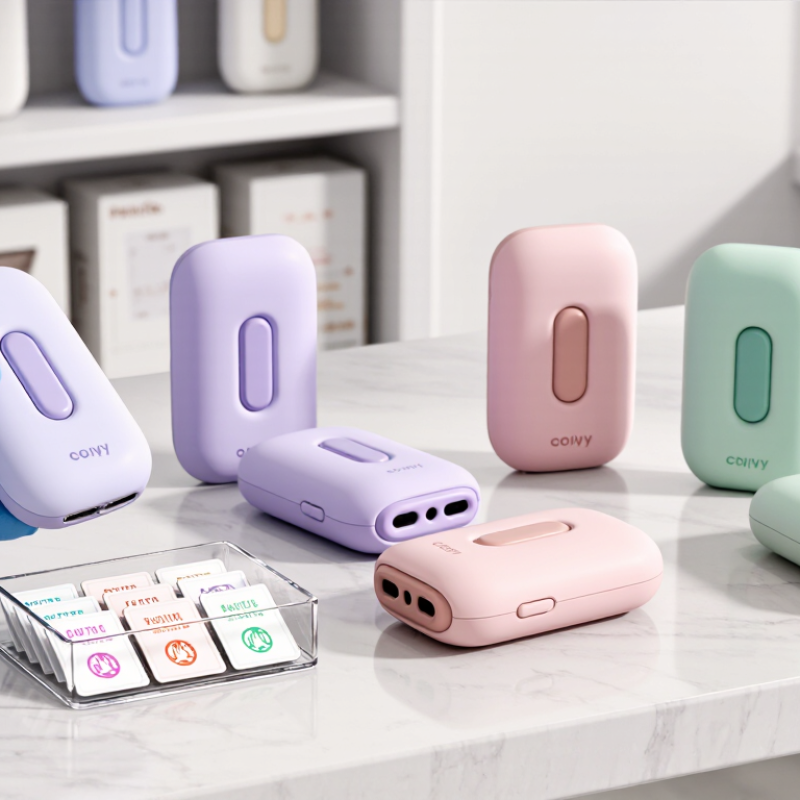
China’s sexual wellness market expanded visibly in 2024, although published estimates differ by category and research method. Public industry reports commonly placed annual online growth between roughly 10% and 20%. That range matters. Platform sales, cross-border orders, and improved consumer education supported much of the movement. Yet growth was not evenly distributed.
Discreet packaging, quieter motors, body-safe materials, and app-free controls attracted practical adult consumers. Some forecasts sound overly confident. Actual demand can change quickly when advertising rules, platform policies, or shipping costs shift.
OEM buyers increasingly request documented material testing, stable battery performance, waterproof ratings, and traceable production records. They also expect flexible molds, low minimum order quantities, multilingual packaging, and consistent color matching.
A capable manufacturer should provide sample approval, batch inspection, and clear corrective-action records. These steps reduce returns and protect user trust. However, customization has limits. Too many features can raise defect rates, complicate cleaning, and weaken the retail message. In practical sourcing, impressive specifications sometimes prove difficult to reproduce consistently. Age-appropriate marketing and regional compliance also require careful review. OEM teams should verify product claims before launch, not after complaints appear.
No. High speed can still feel rough. Stable torque often matters more than peak RPM. Test several speeds under real contact pressure.
Test around 8,000 RPM and lower settings. Apply consistent pressure during each trial. Record smoothness, heat, battery level, and torque changes.
It means 38 decibels measured one meter away in a quiet room. Soft bedding may reduce sound. Hard surfaces can make vibration sound louder.
Not completely. Skin contact, battery level, and room surfaces change results. Early tests may be too ideal. That weakness should be recorded.
IPX4 protects against water splashes. It does not confirm safe immersion. Keep charging areas dry and follow the care instructions.
No rating confirms charging safety by itself. Inspect charging-port covers and sealed joints. Never assume waterproofing equals charging protection.
The report should match the exact battery cell, protection board, and finished device. Testing should cover overcharge, short circuits, vibration, and abnormal charging.
CE documentation shows a conformity assessment under applicable European rules. RoHS records address restricted substances. Neither replaces traceability or careful product checks.
Ask for production records and defect definitions. Check functional testing, cosmetic limits, and missing accessories separately. One percentage may hide important failures.
Charging ports and soft-touch coatings face repeated moisture exposure. Humidity testing is sometimes treated as optional. That may be an overlooked weakness.
China’s sexual wellness market continues to expand, creating strong opportunities for reliable OEM and private-label manufacturing. This guide explains how buyers can evaluate suppliers of Comfly Multiple Pleasures products through market demand, material safety, and engineering performance. Key considerations include ISO 3533:2021 principles, REACH requirements, FDA-related benchmarks, body-safe materials, motor speed, noise levels, charging reliability, and appropriate IPX water-resistance ratings.
It also outlines practical factory qualification standards, including ISO 9001 systems, BSCI audit readiness, minimum order quantities, production capacity, and realistic lead-time management. For international distribution, manufacturers should maintain export documentation and assess relevant requirements such as IEC 62133-2, CE, and RoHS, while applying consistent product inspection, packaging checks, and quality-control reporting. Together, these criteria help buyers select capable manufacturing partners and build safe, compliant, and dependable products for global markets.

 COMFLY