Choosing a China-based manufacturer for a Comfly Prostate Massager requires more than comparing catalog prices. A reliable supplier should demonstrate product experience, responsive communication, and a clear quality-control process. Buyers should examine medical-grade or body-safe materials, smooth surface finishing, waterproof design claims, motor consistency, charging safety, and packaging protection. Factory photographs are helpful, but independent test reports are stronger evidence.
“Safety and comfort must come before performance,” says Dr. Evan Goldstein, a board-certified anal surgeon and sexual-health educator. His principle offers a practical standard for evaluating every Comfly Prostate Massager. A well-designed product should feel balanced in the hand, operate without sharp vibration changes, and include clear cleaning and usage instructions. It should not promise to diagnose, prevent, or treat a medical condition.
The best manufacturers can explain their inspection stages, including incoming-material checks, assembly testing, battery protection, waterproof verification, and final sampling. They should also provide traceable business information and support responsible advertising. Compliance expectations vary by market, so importers must confirm applicable requirements before selling products internationally.
Small details reveal manufacturing maturity. Does the charging port seal properly? Is the silicone surface even under bright light? Does the instruction sheet explain storage after cleaning? These questions matter. A perfect factory may not exist, and supplier claims still require verification. Samples, audits, and documented communication remain essential. This guide examines how to identify a dependable China Comfly Prostate Massager manufacturer without confusing attractive branding with genuine product quality.
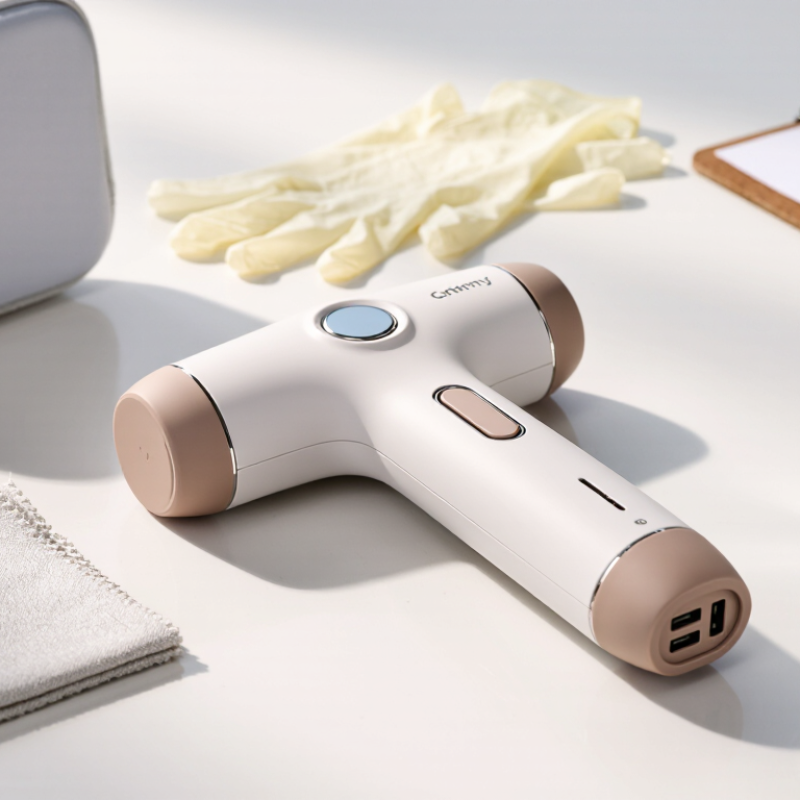
A reliable prostate massager manufacturer should offer more than a finished product. Its scope may include industrial design, 3D prototyping, mold development, assembly, packaging, and quality testing. Experienced teams study ergonomic curves, insertion limits, handle stability, and button placement for controlled use. Small details matter.
Material documentation is essential. Suppliers should identify silicone grades, ABS components, lubricity compatibility, and skin-contact safety records. Waterproof claims must match verified test results, not attractive packaging language. Battery protection, charging performance, motor consistency, and noise control also deserve documented inspection. Each production batch should have traceable records, including supplier details, inspection dates, and corrective actions.
Private-label and contract manufacturing may support different market needs. Services can include custom colors, logo-free packaging, user manuals, sample approval, and flexible order quantities. However, customization can create overlooked risks. A new mold may change wall thickness, balance, or cleaning performance. That deserves another review. Manufacturers should provide clear testing procedures and responsive technical support. Independent laboratory reports can strengthen trust, but buyers should check their validity and testing scope. Some specifications may still require confirmation after samples arrive. That is not a weakness; it is part of responsible sourcing. Adult wellness products should include age-appropriate instructions, cleaning guidance, storage advice, and clear warnings against misuse.
Industry-oriented overview of prostate massager product categories, common specifications, manufacturing considerations, and applicable safety frameworks. Values marked as “varies by model” should be confirmed against the final product specification.
| Product Scope | Typical Product Configuration | Common Materials and Components | Key Specification Dimension | Manufacturing and Compliance Considerations |
|---|---|---|---|---|
| Manual Prostate Massagers | Non-powered design operated by hand, usually with an ergonomic handle and a curved or angled insertion section. | Medical-grade or body-safe silicone may be used for the external surface; rigid internal structures may use ABS or another suitable polymer. | Shape, surface finish, handle ergonomics, insertion control, and ease of cleaning. | The design should minimize sharp edges, seams, and difficult-to-clean recesses. Materials intended for prolonged skin or mucosal contact should be assessed for biological safety. |
| Vibrating Prostate Massagers | Battery-powered device with one or more vibration motors and user controls located on the handle or body. | Silicone or other compatible elastomeric outer layer, electric motor, sealed control interface, wiring, battery compartment, and charging circuit. | Vibration modes, intensity control, operating time, noise level, control layout, and water-resistance rating. | Motor balance, insulation, thermal performance, battery protection, and sealing quality should be verified during product testing. Water resistance must not be claimed unless tested to the stated rating. |
| Rechargeable Models | Integrated rechargeable battery with a wired, magnetic, or contact-based charging connection. | Lithium-ion or lithium-polymer battery, charging controller, overcharge protection, connector or charging contacts, and sealed housing. | Battery capacity, charging time, operating duration, charging-cycle performance, and charging-interface reliability. | Rechargeable battery safety should be evaluated under applicable battery requirements, including protection against overcharge, short circuit, overheating, and abnormal charging conditions. |
| App-Enabled Models | Bluetooth-connected device controlled by a mobile application, where the design includes wireless communication and digital controls. | Bluetooth module, microcontroller, firmware, rechargeable battery, vibration motor, and application software. | Pairing stability, wireless range, software compatibility, data handling, firmware update process, and offline control availability. | Wireless functions should be tested for connection reliability and electromagnetic compatibility. Privacy notices, permission requests, and secure handling of personal data are important for connected products. |
| Couples-Oriented Designs | Product configuration intended to support shared use, commonly with an external control area and a compact body profile. | Flexible silicone or elastomeric materials, sealed electronics, low-profile controls, and rechargeable power components. | Product stability, comfort, control accessibility, flexibility, and compatibility with intended use conditions. | User instructions should clearly explain positioning, cleaning, charging, storage, and contraindications. The final design should be reviewed for mechanical stability and safe removal. |
| Material and Surface Systems | Multi-layer construction may combine a soft external surface with a rigid structural core and sealed electronic components. | Common material families include silicone elastomers, ABS, PC, stainless steel, and adhesive or sealing materials selected for compatibility. | Hardness, tensile strength, tear resistance, surface roughness, odor, color stability, and chemical compatibility with cleaning agents. | Material declarations, supplier documentation, migration or extractables assessments, and biological-safety evaluation help support product safety claims. Porous materials should be avoided for surfaces requiring thorough cleaning. |
| Water-Resistance Scope | Water-resistant, splash-resistant, or immersion-resistant configurations may be offered depending on enclosure and sealing design. | Sealed housing, gaskets, adhesive barriers, protected charging contacts, and water-resistant control interfaces. | Declared IP rating, test condition, charging restrictions, cleaning method, and drying requirements. | IEC 60529 defines IP-code test levels. An IPX7 rating refers to temporary immersion under specified test conditions, commonly up to 1 metre for 30 minutes; the exact claim must match the tested product configuration. |
| Quality-Control Program | Incoming-material inspection, in-process assembly checks, finished-product testing, and batch traceability. | Inspection records for elastomers, plastics, batteries, motors, charging parts, packaging, and printed instructions. | Appearance, dimensions, operating current, vibration output, charging behavior, sealing, noise, and functional reliability. | A documented quality system should define sampling plans, acceptance criteria, calibration controls, nonconformance handling, corrective actions, and retention of production records. |
| Packaging and User Documentation | Retail carton or mailer packaging with the device, charger where applicable, cleaning guidance, instructions, and safety information. | Printed paper, molded pulp, cardboard, protective inserts, charging accessories, and storage components. | Package dimensions, drop protection, moisture protection, labeling accuracy, instruction readability, and accessory completeness. | Instructions should cover age restrictions, cleaning, lubrication compatibility, charging safety, storage, product inspection, discontinuation of use, and disposal of batteries or electronic components. |
| Relevant Safety Frameworks | Standards and regulatory requirements depend on product claims, electrical architecture, wireless functions, market, and intended use. | Product materials, batteries, electronics, wireless modules, packaging, and labeling may each be subject to different requirements. | Intended use, risk classification, electrical safety, electromagnetic compatibility, chemical restrictions, battery transport, and consumer-product labeling. | Potential reference frameworks include ISO 3533:2021 for sex-toy design and safety, ISO 10993 series for biological evaluation where applicable, IEC 60529 for ingress protection, IEC 62133-2 for portable secondary cells and batteries, and regional chemical or electronic-product rules. |
Services may include industrial design, 3D prototypes, mold development, assembly, packaging, and quality testing. Small details matter.
Look for documented, body-safe, non-porous silicone and suitable ABS components. Suppliers should provide material grades and skin-contact safety records.
Waterproof claims should match standardized test results and clear user instructions. Casual splashing proves very little.
Factories should inspect molds, seal electronics, calibrate vibration, and complete final visual checks. Each batch needs traceable records.
Check controlled vibration, secure charging, overheat protection, sealed construction, and an easy stop function. Simple controls help.
More power can increase discomfort and reduce control. Quiet motors, rounded edges, and predictable settings may create a safer experience.
New colors, molds, or packaging can change wall thickness, balance, and cleaning performance. Sample approval remains important.
Follow the cleaning instructions, dry the surface fully, and store it in a clean, dry place. Do not share it without proper hygiene.
Stop using the product if discomfort occurs. Seek qualified medical advice for persistent pain, bleeding, infection symptoms, or existing prostate conditions. Documentation is not personal medical advice.
Choosing the right Comfly Prostate Massager supplier requires more than comparing product prices. A reliable manufacturer should demonstrate clear company capabilities, a focused product range, and a professional approach to research, design, and production. Its products should be developed with user comfort, ergonomic handling, material safety, waterproof performance, and practical functionality in mind. Consistent manufacturing procedures and strict quality inspections are also essential for ensuring dependable performance and customer satisfaction.
For buyers and distributors, customization and private label support can add significant value. Important services may include product adjustments, color and material options, packaging design, instruction manuals, and flexible order coordination. When evaluating a Comfly Prostate Massager supplier, businesses should review manufacturing experience, quality control systems, communication efficiency, sample approval procedures, production capacity, and after-sales support. A supplier that combines responsible design, transparent processes, reliable quality standards, and adaptable business services can provide a stronger foundation for long-term cooperation in the personal wellness market.

 COMFLY