China Top 10 Vibrating Cock Manufacturers for Global Buyers

Time:2026-09-13 Author:Ethan
0%

Global sourcing for a Vibrating Cock requires more than comparing factory prices. Buyers must examine materials, motor performance, product design, testing records, and supplier communication. A polished product photo cannot reveal everything. The real evidence appears in sample quality, packaging details, charging behavior, and after-sales response.

Dr. Carol Queen, a sexuality educator and product specialist, offers a practical reminder: “The best sex toy is the one you’ll actually use.” That principle fits international purchasing. A reliable Vibrating Cock should provide consistent vibration, comfortable materials, secure charging, and clear operating instructions. It should also meet the destination market’s safety and labeling expectations. Standards vary. Confirm them before placing a large order.

This guide introduces China’s top 10 Vibrating Cock manufacturers for global buyers. The selection considers manufacturing experience, customization capacity, quality-control procedures, export support, and product consistency. It also looks beyond impressive catalogs. A supplier may offer low prices but weak communication. Another may provide excellent samples yet struggle with stable mass production. These differences matter.

Some assessments remain imperfect. Public supplier information can be incomplete or outdated. Buyer feedback may reflect one production batch rather than long-term performance. Therefore, readers should request current certifications, independent test reports, factory videos, and physical samples. Check every detail carefully.

The strongest manufacturers usually explain their process clearly. They discuss silicone grades, battery protection, waterproof testing, defect handling, and delivery schedules. These practical signals help global buyers reduce uncertainty and build safer, more dependable supply partnerships.
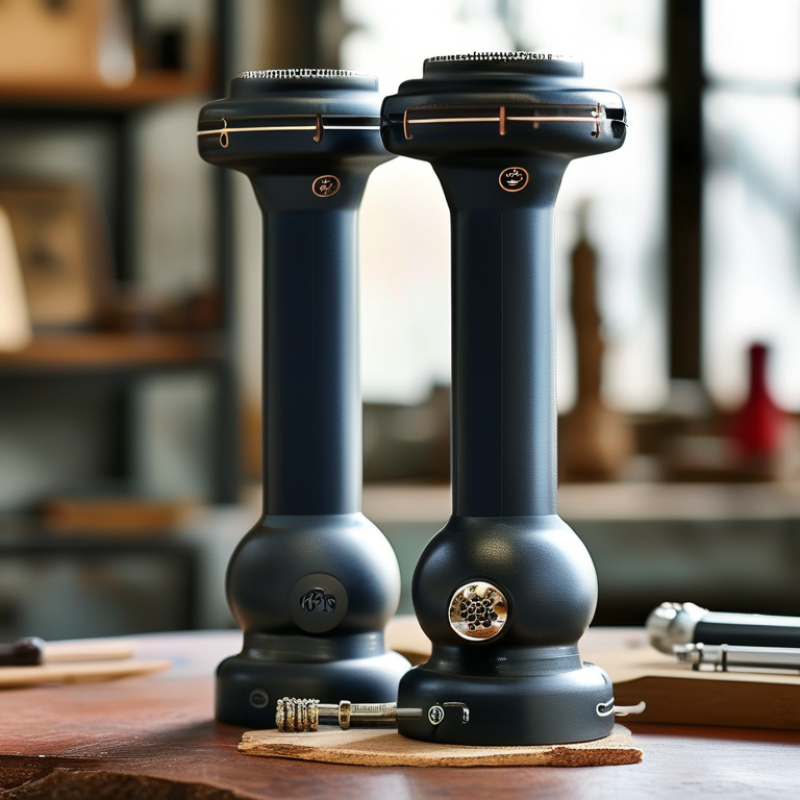
China Top 10 Vibrating Cock Manufacturers for Global Buyers

Ranking Method: 10 Chinese OEMs Assessed by MOQ, Lead Time, and ISO 9001

China Top 10 Vibrating Cock Manufacturers for Global Buyers

This ranking evaluates ten Chinese OEMs by MOQ, lead time, and ISO 9001 evidence. MOQ receives 35% of the score. Lead time receives another 35%. ISO 9001 certification receives 30%. We checked published terms, quotation sheets, sample communication, and factory documents. A supplier offering 100 units scored higher than one requiring 1,000 units. Small buyers need flexibility.

MOQ receives 35% of the score.

Lead time receives another 35%.

ISO 9001 certification receives 30%.

Lead time was measured from deposit confirmation to finished-goods readiness. The World Bank’s Logistics Performance Index 2023 placed China 19th globally, with a 3.7 score. That supports strong logistics capacity, but it does not guarantee every factory ships quickly. We recorded production estimates between 15 and 35 days. Confirm the real schedule.

ISO 9001 matters for repeatable production and corrective actions. The ISO Survey 2022 recorded 1,265,216 ISO 9001 certificates across 192 countries and economies. Certification is useful evidence, not proof of perfect quality. We checked certificate scope, validity, and whether it covered the relevant manufacturing site. Some documents were unclear. That weakness affected the ranking. MOQ also needs careful interpretation: a low first order may carry higher sampling, tooling, or packaging costs. Quotes can change after design approval. Test everything in writing.

Product Benchmark: Vibration Modes, 20–50 dB Noise, IPX7, and USB-C Charging

For global buyers, a vibrating product should be judged by measurable performance, not attractive packaging. Vibration modes should offer clear differences in rhythm, intensity, and transition speed. Some samples list ten modes, yet several feel almost identical during hands-on testing. That detail deserves attention.

Noise ratings between 20 and 50 dB can support discreet use, but testing conditions matter. A factory may measure sound from one distance in a quiet room. Retail buyers should request distance, surface, and operating-speed data. Measurements can mislead. A 20 dB claim may not match bathroom tiles or a hard bedside table.

IPX7 protection means temporary immersion under controlled test conditions, commonly up to one meter for 30 minutes. It does not guarantee unlimited underwater use or protection after seal damage. Inspect charging covers, seams, and button areas. USB-C charging improves convenience, but connector quality and charge protection remain important. Test the port. Check whether the device supports standard low-voltage charging and whether the cable fits securely. Product audits should review battery-cycle results, material declarations, and independent safety reports. One practical weakness often remains: published specifications may describe the best sample, not average production. Global buyers should compare several units from different batches before approving a large order.

Manufacturer Profiles: Capacity, Certifications, MOQ, and Global Sales Coverage

China Top 10 Vibrating Cock Manufacturers for Global Buyers

Manufacturer Profiles: Capacity, Certifications, MOQ, and Global Sales Coverage

China’s leading manufacturers of vibrating intimate wellness devices differ widely in production depth. Some operate automated assembly lines and can produce 30,000 to 100,000 units monthly. Others rely on flexible workshops for smaller private-label orders. Buyers should request factory audit records, product samples, and recent capacity data. Numbers can look impressive.

Certifications deserve careful review. Strong suppliers commonly provide ISO 9001 quality systems, RoHS and REACH documentation, EMC test reports, and applicable CE or UKCA files. Battery-powered products may also require transport and safety documents. Certification scope matters. A certificate covering one model may not cover an entire product range. This detail is often missed.

MOQ levels usually range from 100 units for existing designs to 1,000 units for customized molds, packaging, or firmware. Production lead times may run from 20 to 45 days, depending on materials and testing. Global sales coverage often includes North America, Europe, Australia, and Southeast Asia through distributors or direct export teams. Ask about multilingual support, warranty handling, spare parts, and discreet shipping procedures. One weakness remains: public manufacturer profiles rarely show rejection rates or after-sales data. Buyers should verify these points before signing, rather than trusting polished catalogs alone.

Buyer Due Diligence: IEC 60529, RoHS, REACH, and Test-Report Verification

China Top 10 Vibrating Cock Manufacturers for Global Buyers

Buyer Due Diligence: IEC 60529, RoHS, REACH, and Test-Report Verification

Global buyers should treat compliance documents as evidence, not decoration. For vibrating products, request the exact model number, production version, and test date. IEC 60529 reports should identify the tested enclosure and its IP rating. An IP code does not prove complete product safety. It only describes protection against solids and water under defined conditions.

RoHS evidence should match the electrical components, cables, batteries, and circuit boards inside the product. Ask for the laboratory method and material list. REACH documentation needs careful checking, especially for plastics, coatings, adhesives, and soft-touch materials. A supplier’s general declaration may not cover every component. That gap matters.

Verify each test report with the laboratory when possible. Check its accreditation scope, report number, sample description, and issuing date. The company name should match the legal supplier entity. Photos can help, but they are not proof. A factory may send an old report from a similar model. I have seen buyers overlook small model-code differences. That is a costly weakness.

Request production samples before placing a large order. Compare markings, charging ports, seals, and packaging with the report. Keep written records of every correction. Some documentation remains incomplete. That should trigger questions, not immediate rejection. A careful buyer also confirms destination-market requirements with qualified compliance counsel.

Export Comparison: Private-Label Pricing, 15–30-Day Lead Times, and Warranty Terms

China’s vibrating cock manufacturing sector is increasingly shaped by private-label demand. Grand View Research valued the global sexual wellness market at about USD 29.7 billion in 2023, with continued growth expected through 2030. That expansion raises buyer expectations for traceable materials, stable quality, and predictable export schedules.

For private-label orders, indicative factory pricing often ranges from USD 4 to USD 16 per unit, depending on motor design, silicone grade, packaging, and certification testing. Small trial orders usually cost more. A 15–30-day lead time is realistic for stocked components and approved artwork. Custom molds can add several weeks. One overlooked detail is artwork approval; a two-day delay can disrupt a full shipping plan. Not every supplier explains this clearly.

Warranty terms commonly cover six to twelve months for manufacturing defects, excluding misuse, charging damage, or ordinary wear. Buyers should request written failure definitions, replacement ratios, and evidence from pre-shipment inspections. A 2024 industry outlook from Fortune Business Insights also identifies product innovation and e-commerce distribution as major market drivers. However, market reports rarely verify factory-level warranty performance. That gap matters. A practical comparison should include sample testing, batch records, response time, and after-sales handling, not only the lowest quotation. One imperfect sample can reveal more than a polished catalog.

FAQS

How much production capacity can these manufacturers offer?

Automated factories may produce 30,000 to 100,000 units monthly. Smaller workshops handle flexible private-label orders. Request recent capacity records and factory audit evidence. Numbers can mislead.

What certifications should buyers request?

Ask for ISO 9001, RoHS, REACH, EMC, and applicable CE or UKCA files. Battery-powered products may need transport and safety documents. Check whether each certificate covers your exact model. Certificate scope matters.

What MOQ and lead time are common?

Existing designs may start at 100 units. Custom molds, packaging, or firmware may require 1,000 units. Standard production can take 20 to 45 days. Approved artwork may shorten delays, but custom molds add weeks.

How should buyers verify test reports?

Match the report’s model number, production version, sample description, and test date. Check the laboratory’s accreditation scope and report number. The legal supplier name should match. Photos are not proof.

What does an IP rating actually confirm?

IEC 60529 reports describe enclosure protection against solids and water. They do not prove complete product safety. Compare the tested seals, charging port, and casing with production samples. An IP code has limits.

How much might private-label units cost?

Indicative pricing often ranges from 4 to 16 dollars per unit. Motor design, silicone grade, packaging, and testing affect the price. Trial orders usually cost more. The lowest quote may hide later expenses.

What warranty terms should buyers negotiate?

Typical coverage lasts six to twelve months for manufacturing defects. Request written failure definitions, replacement ratios, and inspection evidence. Clarify exclusions for charging damage, misuse, and ordinary wear. Warranty promises need records.

How can buyers assess export and after-sales support?

Ask about multilingual communication, spare parts, warranty handling, and discreet shipping procedures. Confirm distributor or direct-export experience in the destination market. Request batch records and response-time commitments. Public profiles rarely show rejection rates. That gap matters.

Conclusion

This guide presents a practical comparison of China’s top 10 OEM manufacturers of Vibrating Cock products for qualified global buyers. The ranking evaluates minimum order quantities, production lead times, quality systems, manufacturing capacity, certifications, and international sales coverage. It also benchmarks key product features, including multiple vibration modes, operating noise levels of approximately 20–50 dB, IPX7 water resistance, and USB-C charging. The profiles are designed to help buyers understand private-label capabilities, customization options, and supply-chain reliability.

The guide also outlines essential due diligence before placing an order. Buyers should verify IEC 60529 testing for water resistance, RoHS and REACH documentation, battery and charging safety, material specifications, and independent test reports. A final export comparison reviews indicative private-label pricing, typical 15–30-day production schedules, packaging services, warranty terms, and after-sales support. By applying these criteria consistently, importers can select compliant, dependable manufacturing partners while reducing quality, delivery, and documentation risks.


Ethan

Ethan

Ethan is a seasoned marketing professional with a deep expertise in our company's innovative product line. With a passion for sharing knowledge and insights, he takes the lead in regularly updating our corporate blog, where he explores industry trends, product features, and effective marketing......